Our readings for Sunday are here.
These are the poems, my notes, and interpretations of Fr Dennis’ homilies from the Masses of
- September 23, 2018
- September 20, 2015
_______
The poems Fr Dennis references this year are:
- Back from the Fields by Peter Everwine on September 23, 2018
- Segovia by Robyn Sarah on September 20, 2015 10AM
In 2018, we reflected on —
- D2 offered that the poem helped us see the readings are about things that grow:
- The glory of God in the grasses.
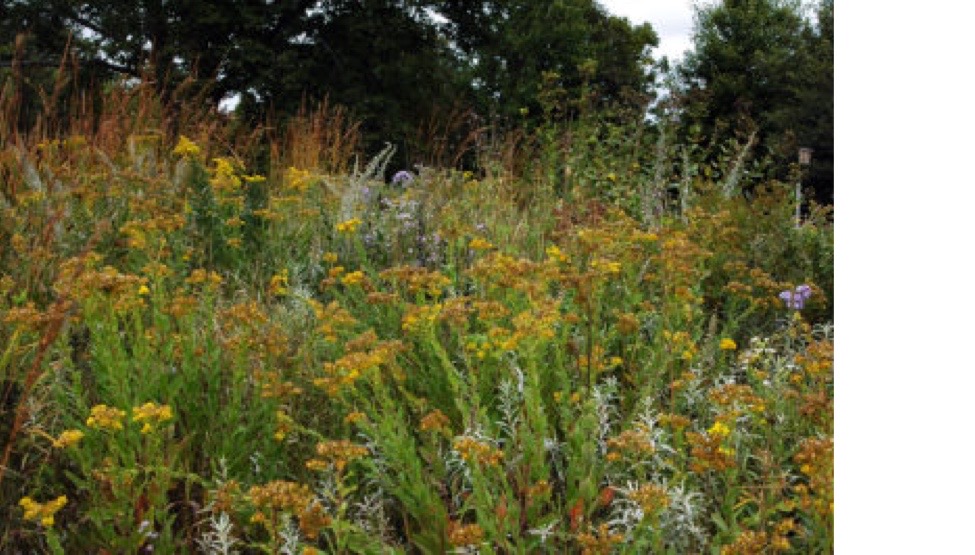
- How adults might think a child spending a day in the fields returned “empty-handed” and that child’s view — what Jesus offers at the end of today’s gospel passage — of seeing God’s Creation in the native plants of the field — that may not look like much or have barbs, hooks, and thorns but help it hold on tight.
- The plants that might seem “less” because they are not as showy, show the value of being together — those that “dig in, that burrow, that hug winds // and grab handholds // in whatever lean place. // // It’s been a good day.”
- A cameo by Fr Eric Sundrup, SJ notes that gratitude helps us avoid the temptations of jealousy.
- RL — the readings reminded me of Dumbledore’s quote in Harry Potter and the Philosopher’s Stone, in explaining to Harry how his spell kept the stone and its powers from being misused, “Only a person who wanted to find the stone, find it, and not use it … would be able to get it.” The hallmark of the child in us is the opposite of the apostles’ discussion (gospel) and the darker spirits mentioned in the first two readings.
In 2015, we reflected with Fr Dennis that —
- The first reading of Wisdom has a dark feel to it, a malicious sense in that they’re out to prove and test through punishment and torture of someone to see if he / she will keep believing in God.
- And the gospel passage from Mark … well ..
- and this is what is going to happen to Jesus, per Jesus. Then the apostles grow quiet and uncomfortable in the face of Jesus’ real challenge / danger and begin to debate who is the greatest among themselves, the apostles. Who’s the best?
- That jostling can sometimes be a good source of motivation in, say, learning. But, it can also get in the way of following Christ.
- Jesus closes his teaching with the example of holding the child. In his time and place, the child was an outsider, the work of women … not a model for grown men … but that’s what Jesus was saying, once again upending the culture in favor of God’s Love (see also, e.g., the Parable of the Good Samaritan, set in a culture and time in which a Samaritan would have been the last person a Jewish person would rescue or want to be rescued by).
- And this teaching underscores how remarkable it was that Jesus doesn’t engage in a “Look at me! at how grand I am!” style of ministry.
- Poetry also asks us to look at things, at life differently. Andre Segovia (most active in the first half of the 20th century) and Julian Bream (most active in the second half of the 20th century) were preeminent classical guitarists. Jesus was self-taught, too, an original who you always wanted to hear what he had to say … because he was an original.
- Jesus models to us to be creative and to be a source of real life / living in the Lord’s Spirit.
 The Surest Sign